
Master the art of diamond selection with our comprehensive guide to understanding quality, value, and beauty.
Understanding the four fundamental characteristics that determine a diamond's quality and value.
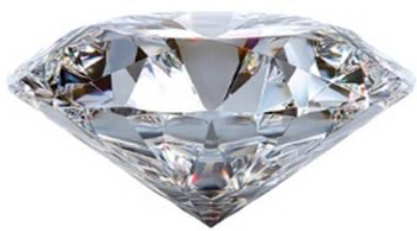
The cut determines how well a diamond reflects light, creating its brilliance and fire. A well-cut diamond will appear more brilliant and valuable than a poorly cut stone of the same carat weight, color, and clarity.
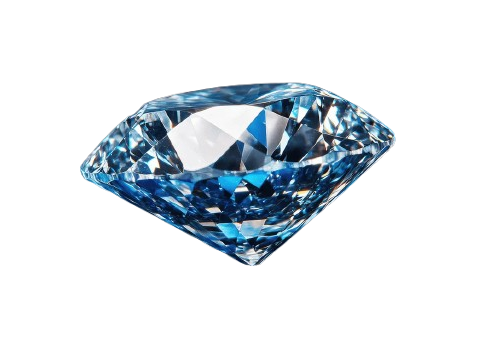
Diamond color is graded from D (colorless) to Z (light yellow or brown). The less color a diamond has, the more valuable it becomes. Colorless diamonds allow more light to pass through, enhancing brilliance.
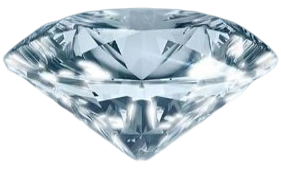
Clarity refers to the absence of inclusions and blemishes. Most diamonds contain tiny imperfections, but those with fewer and smaller inclusions receive higher clarity grades and are more valuable.
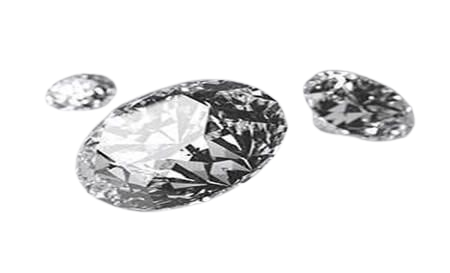
Carat refers to a diamond's weight, not its size. One carat equals 200 milligrams. Larger diamonds are rarer and more valuable, but cut quality significantly affects how large a diamond appears.
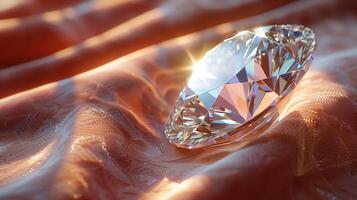
Cut quality ranges from Excellent to Poor. An Excellent cut maximizes light return, creating exceptional brilliance and fire. The cut affects the diamond's proportions, symmetry, and polish.
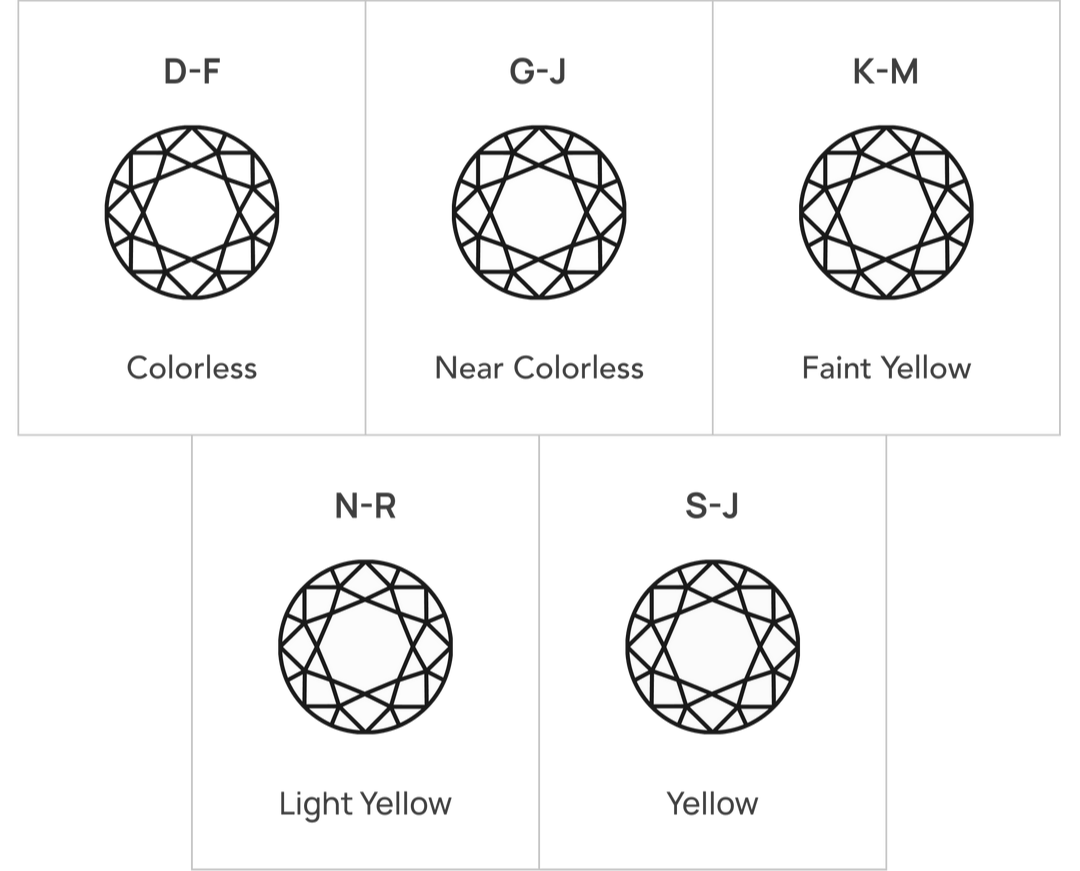
Color is graded on a scale from D to Z. D, E, and F are colorless; G, H, I, and J are near-colorless; K, L, and M show faint color; and N-Z show increasingly visible color.
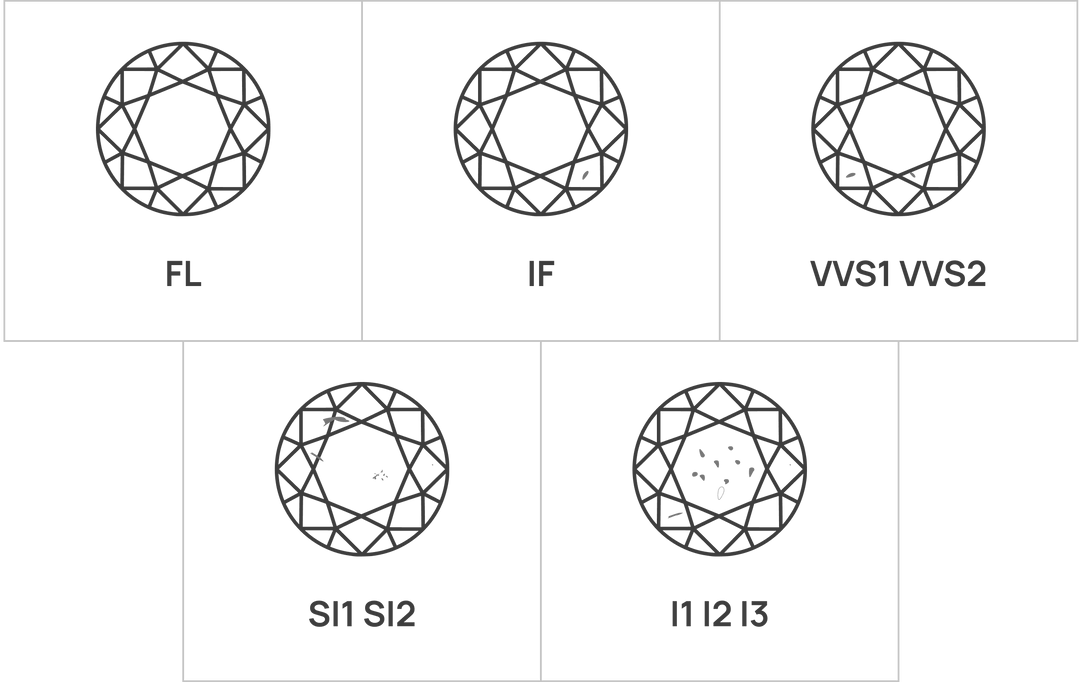
Clarity grades include FL (Flawless), IF (Internally Flawless), VVS1-VVS2 (Very Very Slightly Included), VS1-VS2 (Very Slightly Included), SI1-SI2 (Slightly Included), and I1-I3 (Included).
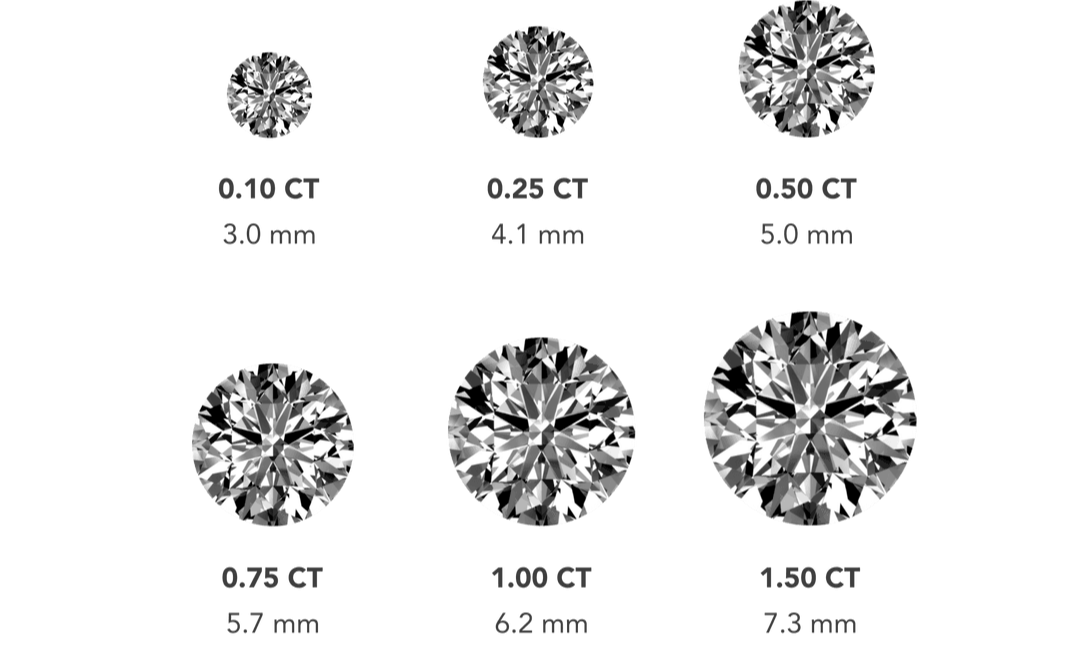
Carat Sizes affects price exponentially. A 2-carat diamond costs much more than twice the price of a 1-carat diamond of similar quality. Popular weights include 0.5, 0.75, 1.0, 1.5, and 2.0 carats.
Explore the most popular diamond shapes and their unique characteristics.
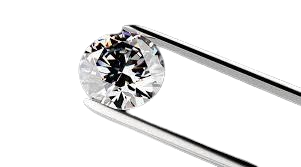
The most popular cut, maximizing brilliance and fire
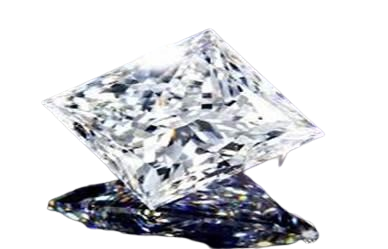
Square cut with brilliant faceting for maximum sparkle
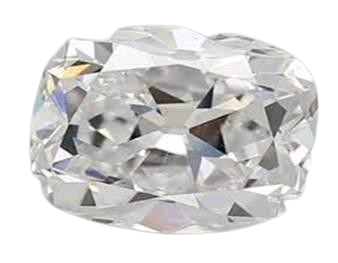
Soft, rounded corners with a square or rectangular shape, emphasizing brilliance and sparkle
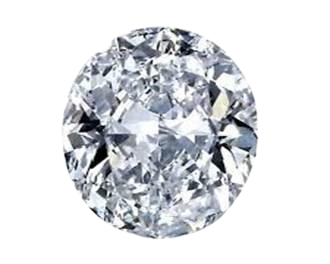
Elongated brilliant cut with timeless elegance
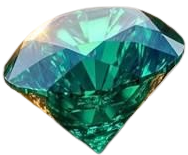
Square emerald cut with vintage Art Deco appeal
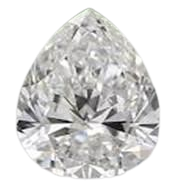
Elegant teardrop shape that enhances brilliance and showcases carat weight beautifully
Professional advice to help you make the best diamond selection.
Choose diamonds certified by reputable laboratories like GIA, AGS, or Gübelin. Certification ensures accurate grading and protects your investment with unbiased quality assessment.
Don't focus on just one characteristic. A well-balanced diamond with good grades across all 4Cs will offer better value and beauty than one with extreme grades in only one area.
Always view diamonds in person or request detailed photos and videos. Certificates tell part of the story, but seeing the diamond's actual appearance is crucial for making the right choice.
Protect your investment with proper insurance coverage. Get your diamond appraised by a certified gemologist and ensure your policy covers full replacement value.
Common questions about diamonds answered by our experts.
Natural diamonds are formed deep in the Earth over billions of years, while lab-grown diamonds are created in controlled laboratory environments. Both have identical physical and chemical properties, but natural diamonds are rarer and typically more valuable.
Look for diamonds that comply with the Kimberley Process, which prevents conflict diamonds from entering the market. Reputable dealers provide documentation proving their diamonds are ethically sourced and conflict-free.
Round brilliant is the most popular choice due to its exceptional brilliance and timeless appeal. However, the "best" shape depends on personal preference, hand shape, and style preferences. Consider what the wearer loves most.
Clean diamonds regularly with warm soapy water and a soft brush. Avoid harsh chemicals and store separately to prevent scratching. Have your jewelry professionally cleaned and inspected annually.